
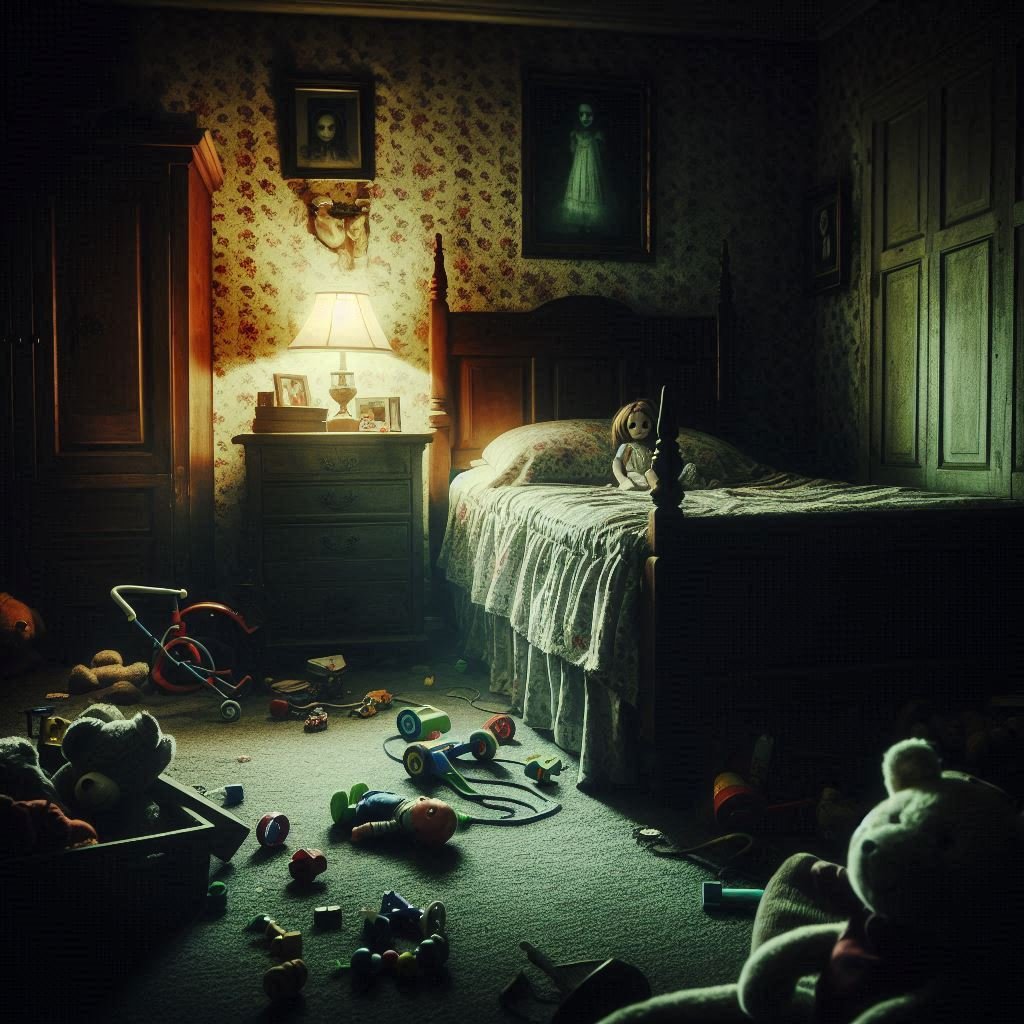
A family hears knocking in the walls. A photograph appears to show something impossible. A witness swears the room changed in front of them. Ghost stories become powerful fast, not just because people want to believe, but because staged tricks, sincere fear, and unresolved details can look almost identical in the moment.
Setup
Ghost hoaxes have been shaping paranormal culture for more than a century. Some were built as entertainment. Some were money-making schemes. Others began with a strange event that was exaggerated, misremembered, or turned into something bigger by believers, newspapers, television, and now the internet.
That is what makes the topic more interesting than a simple list of fakes. Not every famous ghost case starts with a mastermind fraud. Some begin with a prank that gets out of control. Some involve witnesses who probably believed part of what they were saying even while staging other parts. And some stay famous because one unresolved detail keeps the whole story alive long after stronger evidence has fallen apart.
To understand why ghost hoaxes endure, it helps to separate three things that often get blended together: deliberate deception, sincere belief, and unresolved anecdotes. Once those are treated as different categories instead of one spooky mass, the pattern becomes much clearer.
What people claim
The strongest paranormal claims usually sound familiar. Witnesses report voices, knocks, moving objects, shadowy figures, unexplained photographs, and the feeling that a place is charged with something hostile or intelligent. In many famous cases, those experiences are presented as cumulative proof: one strange sound may not mean much, but several strange events layered together can feel like evidence of a haunting.
Supporters of famous ghost stories often point to cases like the Fox Sisters, whose spirit raps helped launch the Spiritualist movement; the Amityville Horror, which turned a real murder house into one of the most profitable haunting stories in modern culture; and the Enfield Poltergeist, where investigators, reporters, and family members all helped build the impression that something beyond normal explanation was happening.
Believers also argue that hoax explanations do not fully erase the mystery. If one photograph was faked, they ask, what about the other witness accounts? If a child staged one event, what about the incident a reporter claimed to see? That line of thinking is one reason ghost stories survive debunking better than many other paranormal claims. A single unexplained fragment can keep the larger legend alive.
Why it spread
Ghost hoaxes spread because they satisfy several needs at once. They offer fear, meaning, drama, and the possibility that ordinary life is not as ordinary as it looks. In earlier eras, seances and spirit photography offered grieving families a way to imagine continued contact with the dead. Later, haunted-house books, tabloid television, and online clips gave audiences an experience that felt half investigation and half entertainment.
Media amplification matters too. A rumor shared privately may fade. A story carried by newspapers, bestselling books, documentaries, podcasts, and short-form video can become part of culture. Once that happens, the haunting no longer depends only on the original evidence. It survives as a narrative framework. New audiences meet the legend before they ever meet the facts.
That is also why hoaxes often borrow the look of evidence. A knock-answer pattern. A blurry image. A breathless eyewitness quote. A fragment of audio. These details feel investigative even when they are weak. The format itself creates credibility.
What evidence shows
The record on famous ghost hoaxes is much less mystical than the legends suggest. The Fox Sisters eventually became one of the clearest examples of manufactured paranormal proof, with the famous spirit sounds linked to physical trickery rather than communication from the dead. The Cottingley Fairies case showed how even respected adults could be fooled by staged visual evidence when they badly wanted wonder to be real.
The Amityville story is especially revealing because it sits in the space between true crime, folklore, and commercial storytelling. A real tragedy gave the haunting story emotional force, but many of the most famous supernatural details were later challenged, contradicted, or tied to exaggeration. The haunting became culturally stronger than the evidence ever was.
The Enfield Poltergeist remains more complicated, but not because it supplies clean proof of ghosts. It is complicated because it combines apparent trickery, attention-seeking behavior, emotional stress, and a few moments that believers still treat as hard to explain. That is important. Complicated is not the same thing as confirmed. In paranormal cases, messy human behavior often creates exactly the kind of ambiguity that keeps a story alive.
The broader evidence suggests that many haunting claims collapse into one of three explanations. First, there is staged evidence: deliberate noises, manipulated photos, planted stories, or performance. Second, there is sincere belief: people genuinely frightened by sleep disruption, suggestion, grief, misperception, or expectation. Third, there are unresolved anecdotes: events without enough information to verify, but also not enough to prove anything supernatural.
Where confusion came from
The biggest confusion comes from treating those three categories as interchangeable. If a witness is sincere, people assume the haunting must be genuine. If one incident remains unexplained, people assume the debunked parts no longer matter. If a case contains both fakery and fear, the fear is often used to excuse the fakery rather than re-evaluate the entire story.
That is why ghost hoaxes are so durable. Human beings are good at sensing emotion and bad at measuring evidence under stress. A frightened witness may be completely honest about what they felt while still being wrong about what caused it. A child may fake one event for attention inside a house where everyone is already tense and suggestible. A community may build a legend out of a few dramatic details and leave out the quieter, more ordinary explanations.
Popular culture deepens the problem by flattening cases into heroes, villains, and shocking reveals. Real investigations are usually less cinematic. A haunting story may contain fraud without being entirely invented, confusion without being paranormal, and unresolved details without supporting a supernatural conclusion. That gray zone is less flashy, but it is where the truth usually lives.
It is also why articles about cases that blend emotional certainty with weak proof, like Shadow People Phenomenon: Paranormal Entity or Sleep Paralysis in Disguise? or broader debates around Bigfoot and Cryptids: Hidden Creatures, Folklore Legends, or Evidence That Never Holds Up?, matter here. Different topic, same pattern: vivid experience can feel like evidence long before it becomes evidence.
Reality Check
The most credible conclusion is not that every ghost story is a calculated scam. It is that ghost hoaxes thrive because deception, suggestion, storytelling, and genuine fear work extremely well together. Some cases were staged. Some were exaggerated. Some remain unresolved only because the evidence was always too weak to settle the issue cleanly.
That does not make the witnesses foolish. It makes the phenomenon human. People misread shadows, amplify rumors, perform for attention, protect beliefs, and cling to stories that give chaos a shape. In paranormal culture, that mixture can look powerful enough to survive generations.
So the decisive label here is not proven haunting. It is something far more grounded: repeated examples of staged evidence, emotional testimony, and cultural reinforcement being mistaken for proof. Ghost hoaxes tell us less about the dead returning than about how the living build mysteries, and why they keep returning to them.
If this story made you think, here are more conspiracy investigations worth exploring next:
- Shadow People Phenomenon: Paranormal Entity or Sleep Paralysis in Disguise?
- Bigfoot and Cryptids: Hidden Creatures, Folklore Legends, or Evidence That Never Holds Up?
- UFO Sightings
Explore more in this category:
Paranormal and Supernatural