In the digital age, conspiracies spread faster than ever.
Internet conspiracies are born and amplified online—through social media, forums, videos, and viral posts. From trending theories on TikTok and Reddit to deep-dive threads and digital mysteries, these ideas can quickly gain traction regardless of their accuracy.
In this section, we explore modern conspiracy theories that have emerged or spread through the internet. We examine where they started, why they went viral, and what evidence supports or challenges them. Some are quickly debunked, while others evolve and persist over time.
Are these theories uncovering overlooked truths, or are they the result of misinformation spreading at scale? We break down each case to separate signal from noise in the online world.
🔎 Explore more:
An anonymous account claimed elite insider access, and that single promise helped turn vague posts into a movement. This story breaks down why the Q clearance theory felt convincing and why the evidence never proved the source was real.
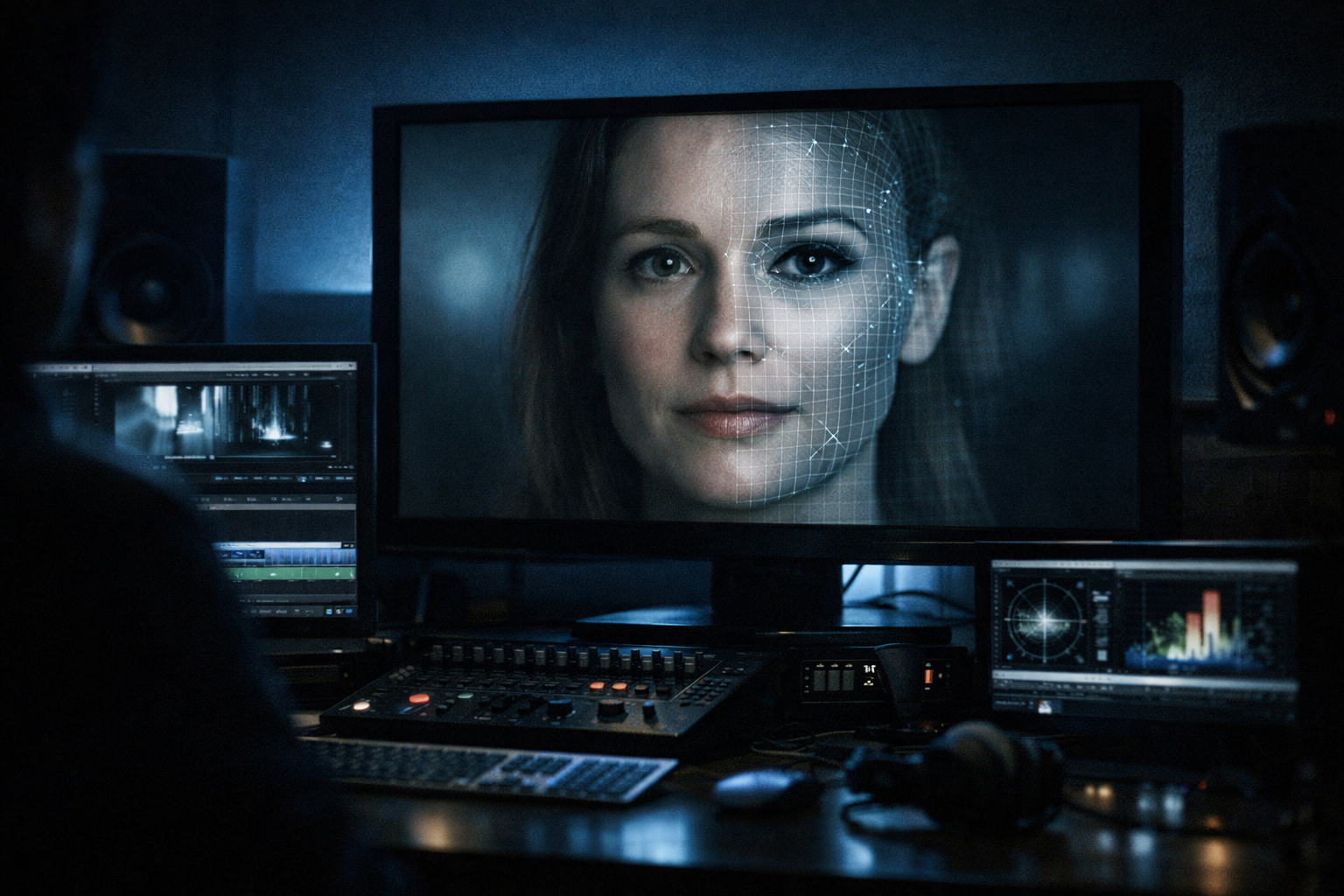
A believable clip can now spread worldwide before anyone checks if it is real. Deepfake conspiracies thrive in that gap between first impression and verified truth.
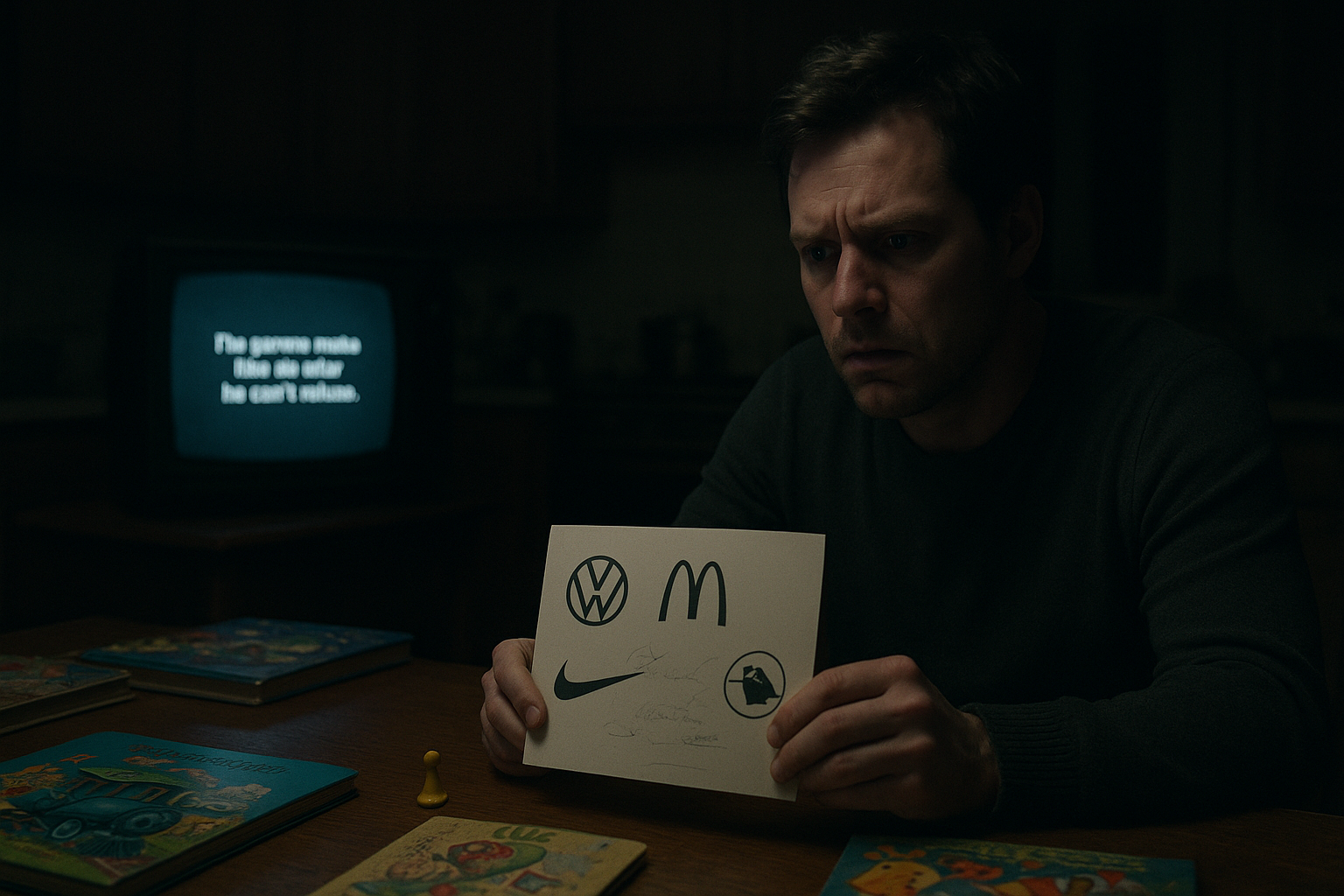
The Mandela Effect feels eerie because thousands of people remember the same detail the wrong way. But while the shared confusion is real, the strongest evidence points to memory errors and social reinforcement, not altered timelines.
QAnon began as anonymous internet posts wrapped in the language of secret access and hidden truth. But how did a message-board conspiracy grow into a real-world movement, and what claims actually hold up under evidence?