Behind every major decision, some believe there’s more than meets the eye.
Political conspiracies often emerge when trust in official narratives begins to break down. From election interference and covert operations to alleged government manipulation, these theories explore the possibility that powerful institutions may not always reveal the full truth.
In this section, we analyze some of the most widely discussed political conspiracies—examining the claims, the evidence, and the context behind them. While some theories have been debunked, others continue to raise legitimate questions and fuel ongoing debate.
Are these events the result of hidden agendas, or can they be explained through known political processes and historical context? We break down each case to separate fact from speculation.
🔎 Explore related investigations:
Real emergency powers and continuity plans exist, but the conspiracy claim goes further: that a hidden backup system could quietly override democracy. Here is what the evidence actually supports.
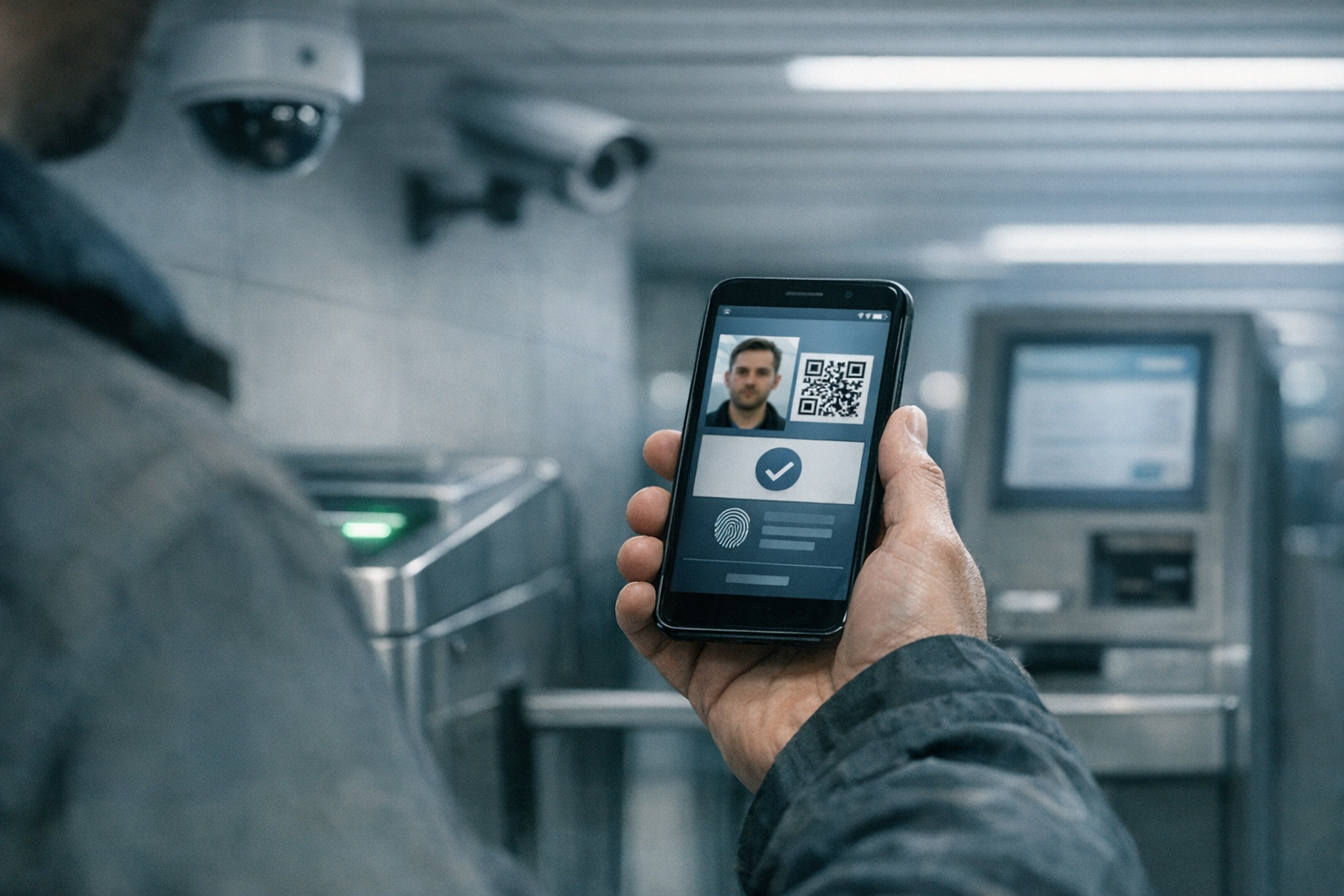
The digital ID conspiracy is the belief that online identity systems will fuse IDs, biometrics, payments, and surveillance into one trackable control layer. This article explains why that fear feels plausible, what digital ID systems actually are, and where the evidence does and does not support the leap.
A grounded explainer on why Americans connect CBDCs, Real ID, biometrics, surveillance, and platform moderation into one larger fear of an unofficial social credit system.
Project 2025 conspiracy claims grow from a real public document, but the bigger fear comes from what people think it reveals about hidden control. This article separates the openly published policy blueprint from the more extreme takeover narrative built around it.
Real ID conspiracy grows from a real tension: a federal ID standard that feels administrative on the surface but raises long-term fears about tracking, access, and mission creep. This article separates what Real ID actually does from the larger claim that it has already become a total national control system.
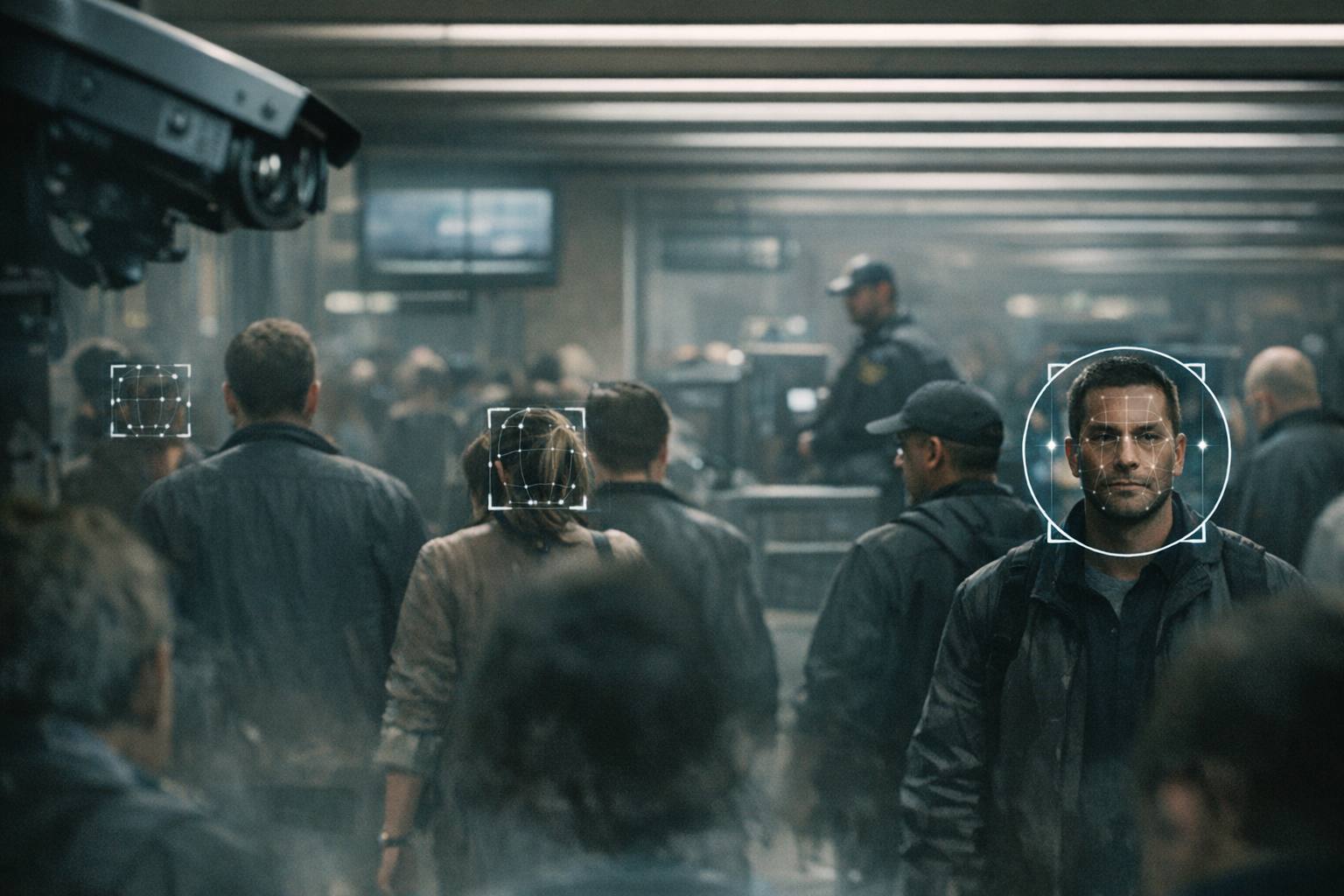
Biometric surveillance uses faces, fingerprints, irises, and gait data to identify people, and critics fear those systems could evolve into a broader tracking architecture. The stronger reality is that biometric tools are already expanding in powerful ways, but the evidence points more clearly to mission creep and weak oversight than to proof of one hidden master control grid.

CBDC Conspiracy: Financial Control Grid or a Fear Built on Real Surveillance Anxiety?
Central bank digital currency fears did not appear out of nowhere. This story breaks down how real worries about surveillance, programmability, and state power turned CBDCs into a modern conspiracy flashpoint.
Sealed filings, flight logs, and partial releases made the Epstein client list feel like a hidden master document. This story breaks down what records really exist, why the phrase grew so powerful, and where the evidence stops.

MKUltra featured image
MKUltra was real, but not in the neat movie version people often imagine. This breakdown separates the declassified CIA record of drug experiments and behavioral testing from the much bigger mythology that later grew around it.
Declassification delays do not prove every conspiracy theory, but they do create the exact vacuum where public distrust grows. When records stay hidden for decades, silence starts doing the work that evidence should do.